
 Adminibukota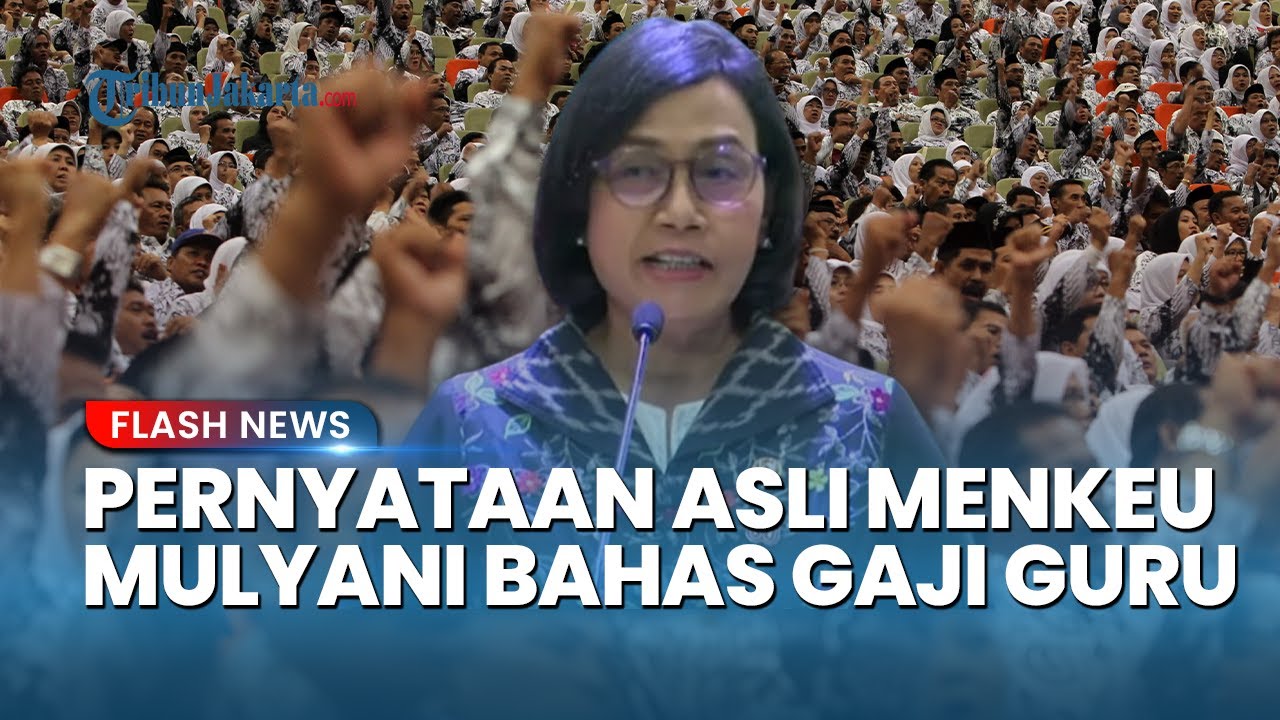
Clarification on the Viral Deepfake Video Misrepresenting Sri Mulyani’s Statement on Teachers
Recently, a video has gone viral on social media platforms falsely attributing controversial statements to Sri Mulyani, Indonesia’s Minister of Finance. The manipulated video suggested that she referred to teachers as a burden to the nation. This misleading content has sparked considerable uproar and confusion among the public.
Understanding Deepfake Technologies and Their Implications
Deepfake represents a sophisticated form of artificial intelligence that enables the creation of hyper-realistic yet fabricated audio-visual media. This technology can superimpose existing images and videos onto source footage, altering the authenticity of original content. While deepfake technology can be used for creative and benign purposes, its misuse poses significant threats to information integrity and public trust.
For those interested in learning more about deepfake technology, the Wikipedia article on Deepfake provides comprehensive insights.
Sri Mulyani’s Official Statement and the Spread of Misinformation
In response to the viral video, Sri Mulyani promptly issued a clarification via her Instagram account emphasizing that she never uttered that teachers are a burden to the country. Her official statement highlights the importance of verifying information sources especially when content appears provocative or sensational.
The viral nature of such misinformation has far-reaching consequences, impacting not only individual reputations but also public perceptions of key societal roles. Teachers, as pillars of education and national development, deserve respect and recognition rather than defamatory portrayals.
The Role of Media Literacy and Critical Consumption
This incident underscores the critical need for media literacy among the general population. Being equipped with skills to discern authentic information from fabricated content helps in mitigating the spread of fake news and protects societal harmony.
For further reading on media literacy, explore the detailed discussion on Media Literacy on Wikipedia.
Related Topics on Information Security and AI Challenges
The challenge posed by AI-generated misinformation is ongoing and multifaceted. Various government departments and technology sectors are continuously working on developing countermeasures to detect and prevent such misuse.
Previously, our platform has covered topics related to technology, security, and governance. Readers can find insightful articles on the debunking of the same AI deepfake issue involving Sri Mulyani.
Keeping informed through reliable news sources and understanding the nuances behind technological tools are essential in today’s information environment.
Conclusion: Upholding Integrity in Public Discourse
The confusion stirred by the deepfake video reportedly implicating Sri Mulyani serves as a reminder of the vulnerabilities inherent in digital communication. Vigilance, critical thinking, and prompt clarifications from trusted authorities are vital to safeguarding truth and public trust.
As the digital landscape evolves, society must adapt accordingly to ensure that technological advances do not undermine but rather support factual and respectful public discourse.
Readers are encouraged to verify information, approach viral content with caution, and support credible communication channels as part of responsible digital citizenship.